
Precision converting backed by visible manufacturing capacity
Inside an approximately 3,000 m² facility, three cleanroom workshops and 19 precision die-cutting machines support custom laminated components from prototype through production.
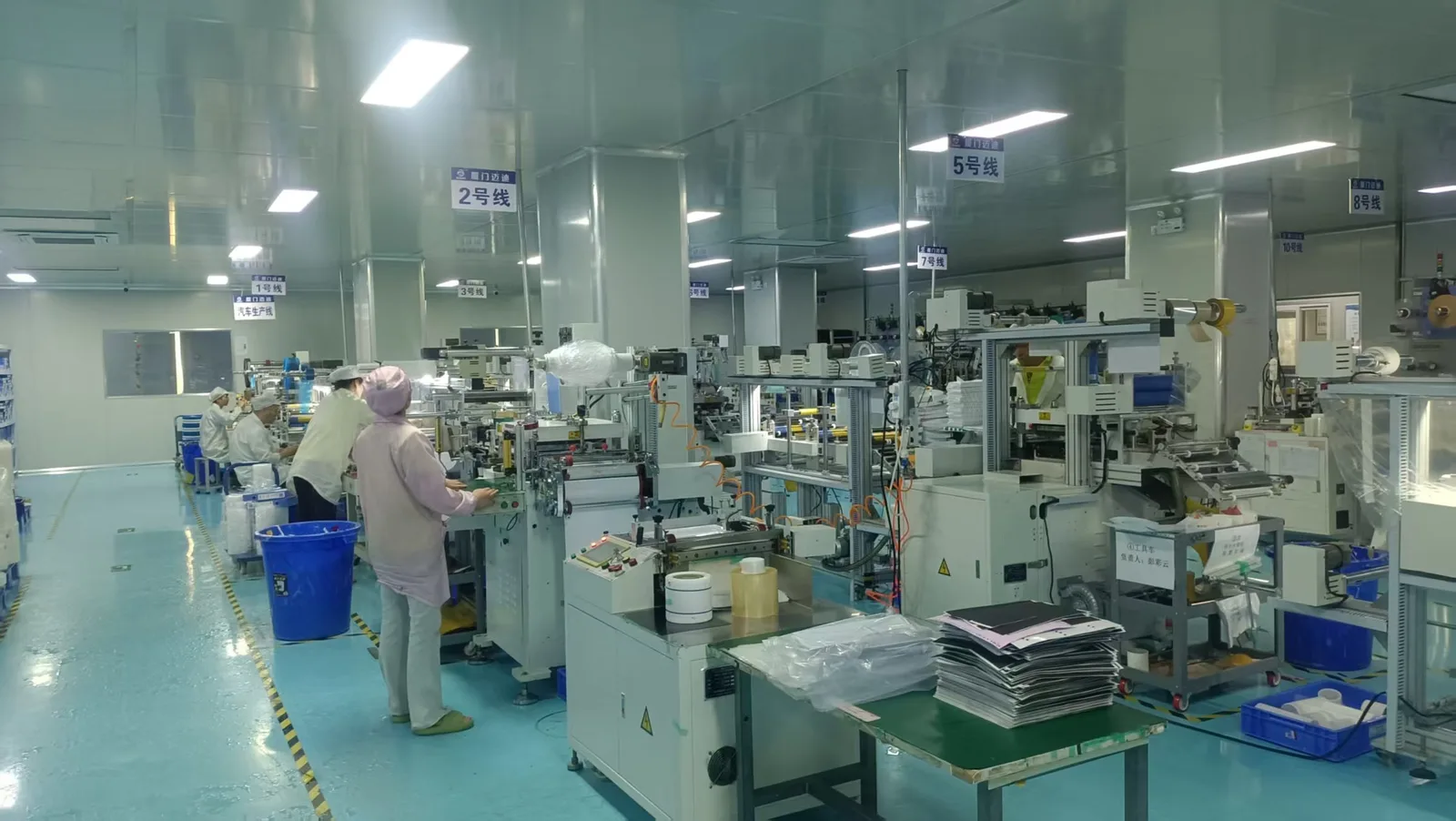
Factory photography shows the controlled production areas and converting equipment used for custom component programs.
Multi-station processing for layered components
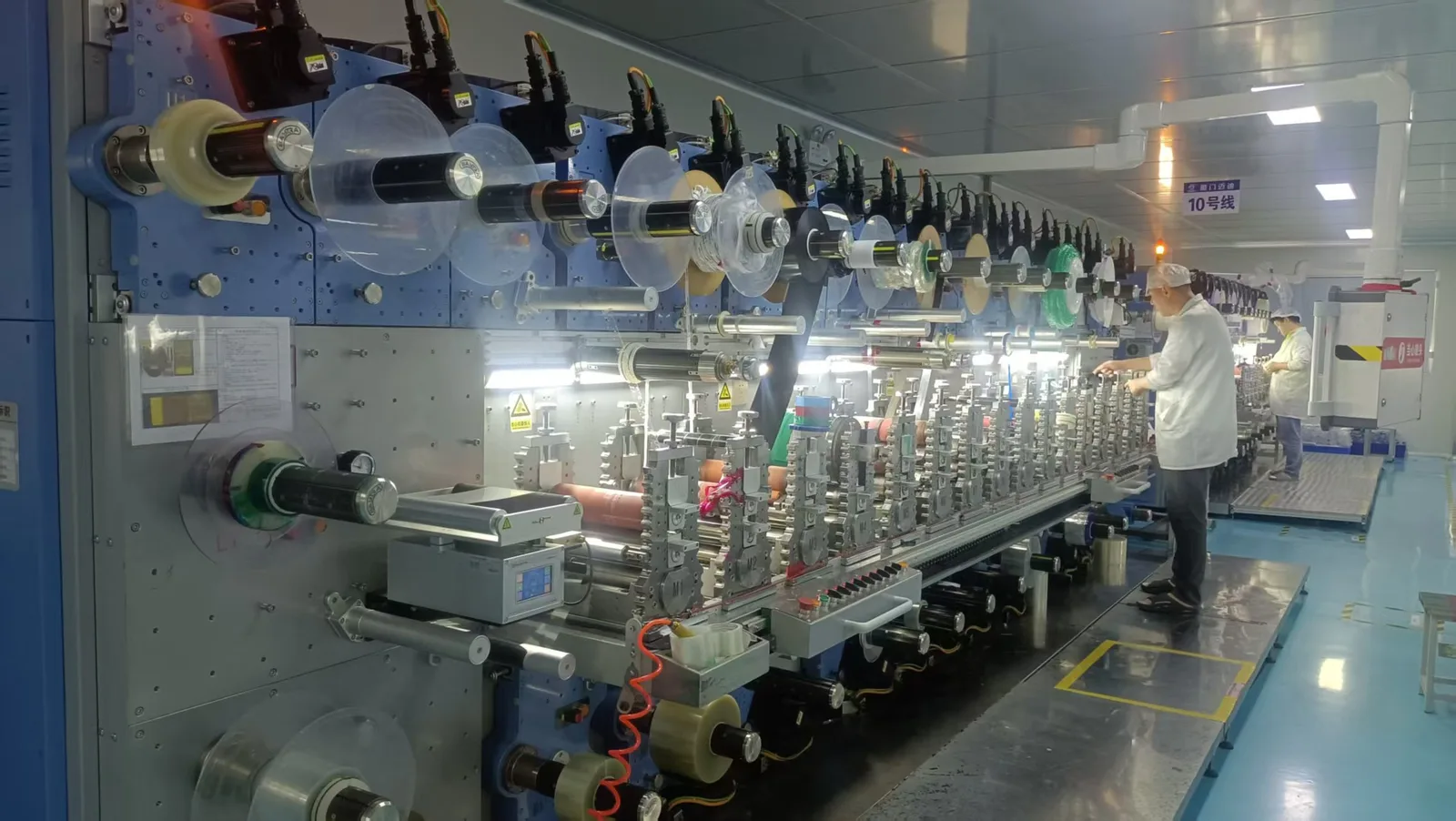
Rotary equipment supports continuous material feeding, lamination, liner management and multi-stage cutting for suitable volumes and constructions.
- 3 rotary die-cutting machines
- Roll-fed material handling
- Multi-layer lamination options
- Kiss-cut and liner-managed delivery
Flexible geometry and production routing
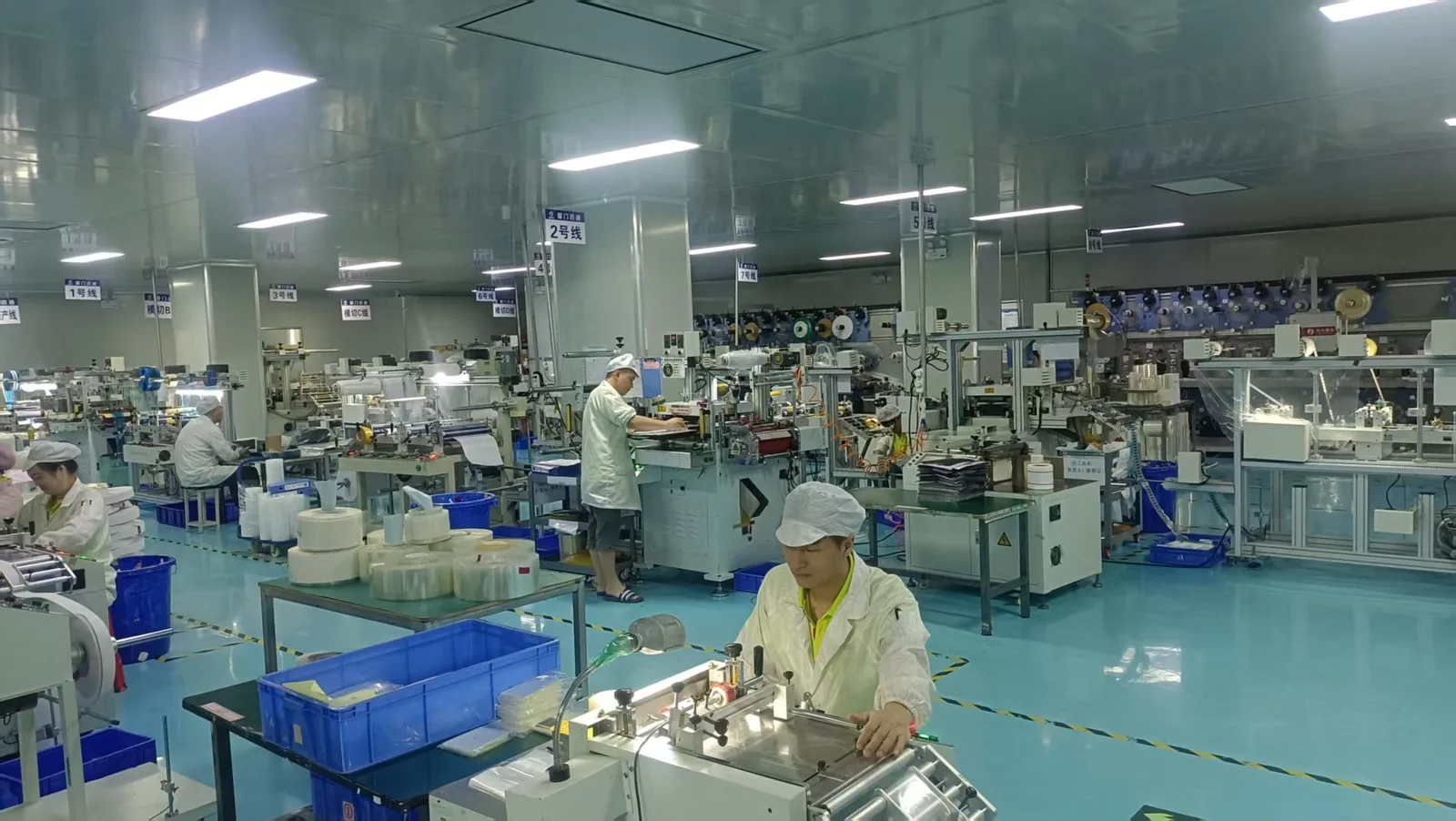
Flatbed equipment supports sampling, varied sheet and roll materials, complex outlines and application-specific converting routes.
- 16 flatbed die-cutting machines
- Prototype and production support
- Film, foam, graphite and adhesive converting
- Custom outlines, windows, tabs and registration features
Material preparation, precision cutting and inspection
The supplied factory capability file confirms the following resources. The route used for a project depends on material behavior, construction and required evidence.
- 01
Roll preparation
One material slitting machine and one precision strip-cutting machine prepare roll widths for downstream converting.
- 02
Precision laser cutting
Laser cutting supports suitable prototypes, intricate profiles and materials where a tool-free route is appropriate.
- 03
Special constructions
Suitable aerogel and silicone routes can include vulcanization, hot pressing and encapsulation after project review.
- 04
Inspection and packing
Inspection, testing and controlled packing close the manufacturing route against the approved drawing and control plan.
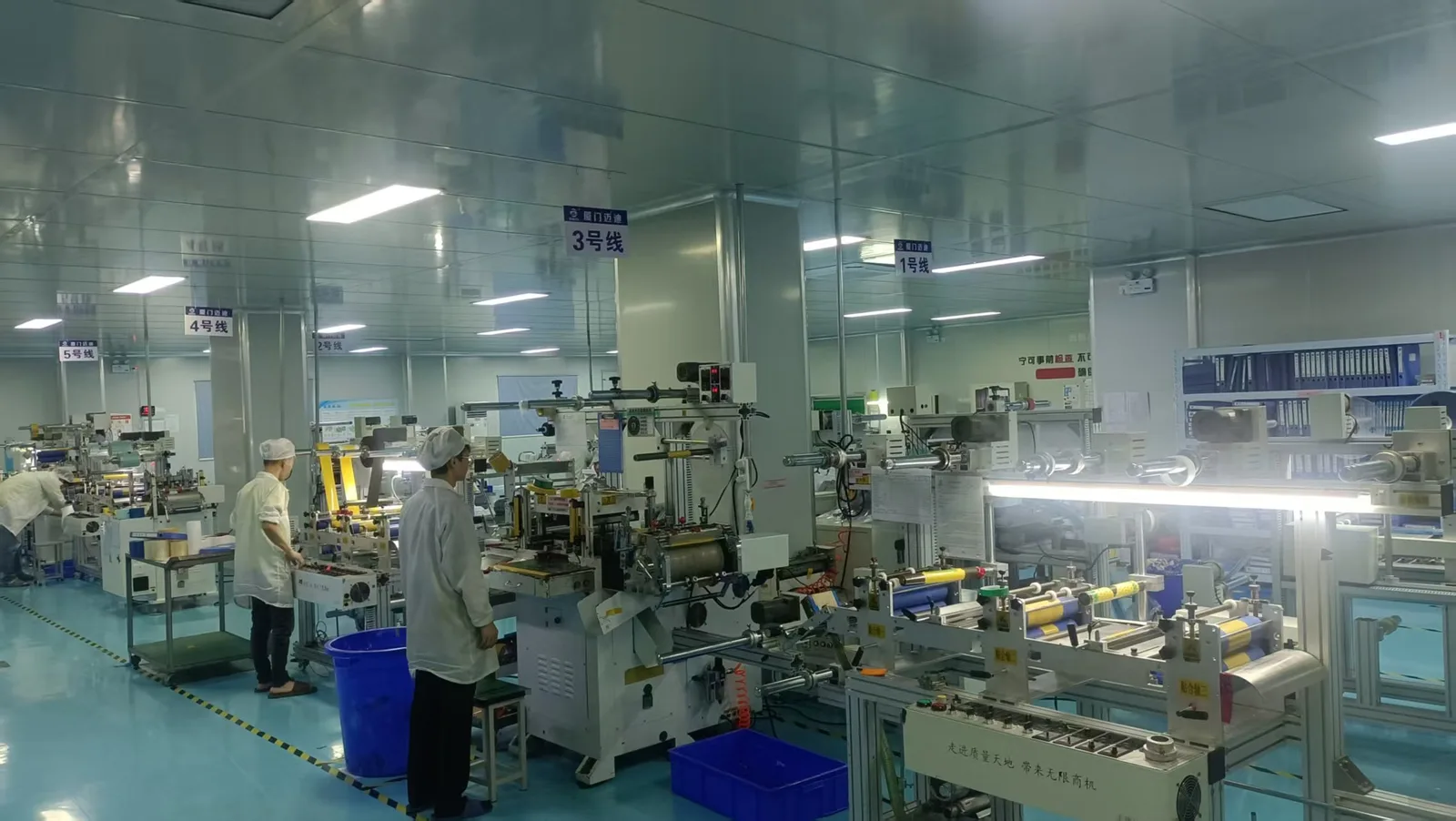
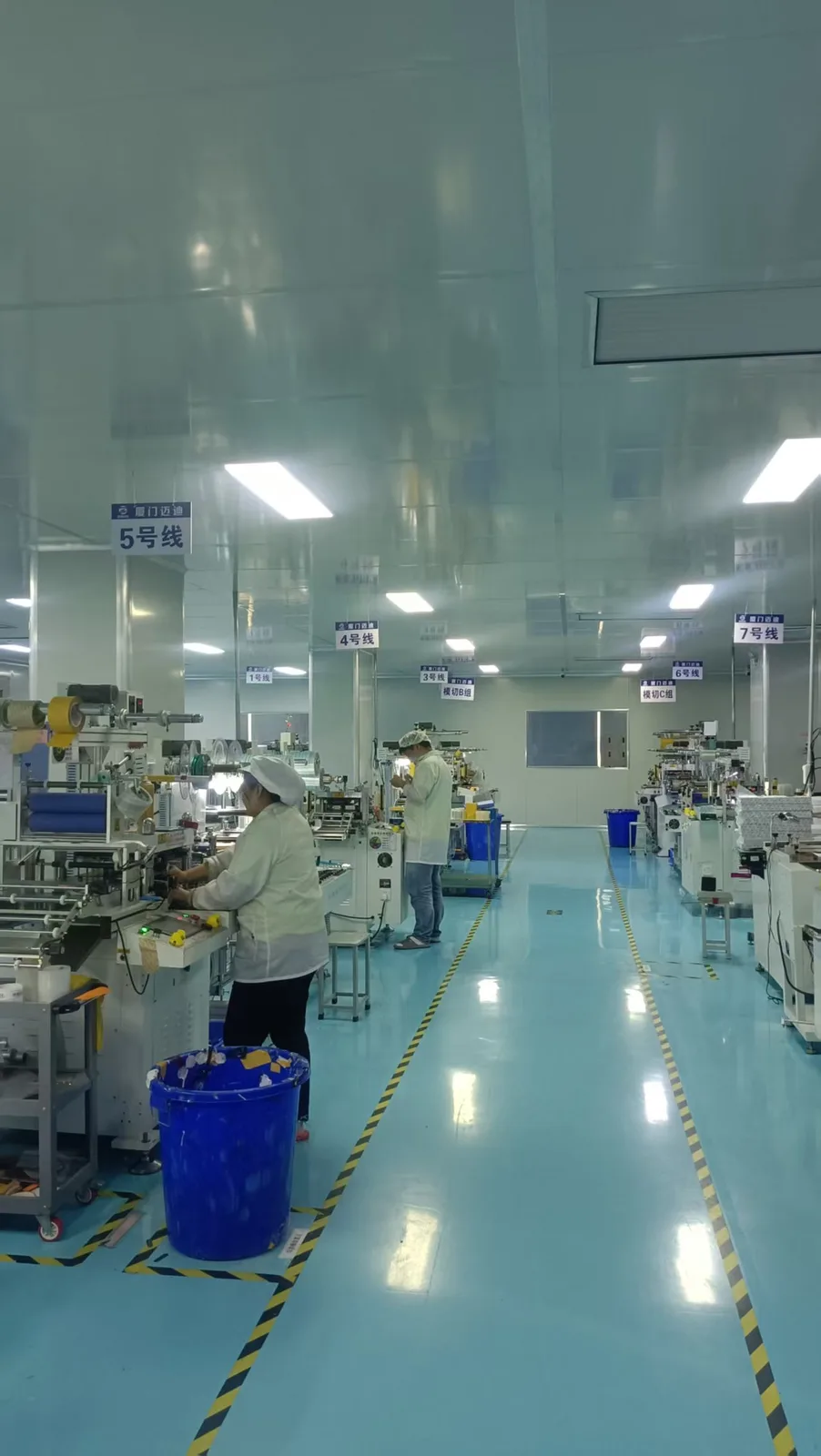
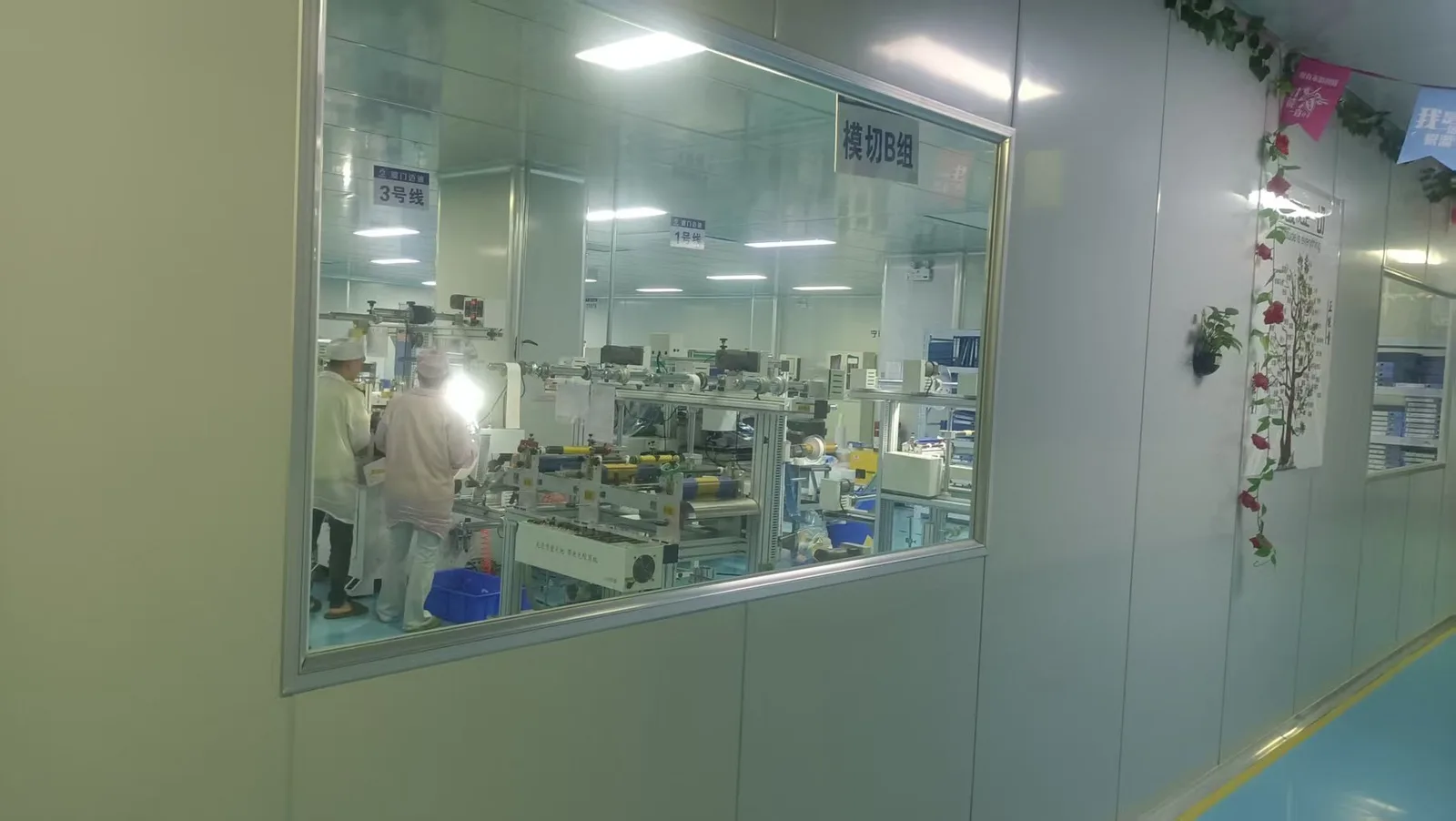
Controlled work areas, organized lines and documented quality systems support demanding customer programs. Specific process plans are confirmed during project review.
Quality and environmental systems for disciplined execution.
Certificates should be requested for current scope and validity confirmation.
Start with your drawing and engineering constraints
Tell us the installation position, material challenge, environment and project stage. Our team will review the drawing and recommend a practical construction.