Dielectric barrier
Film parts create controlled separation between conductive surfaces.

Die-cut PET and PI films, laminated insulation parts and assembly-ready adhesive constructions for robotic electronics and compact power systems.
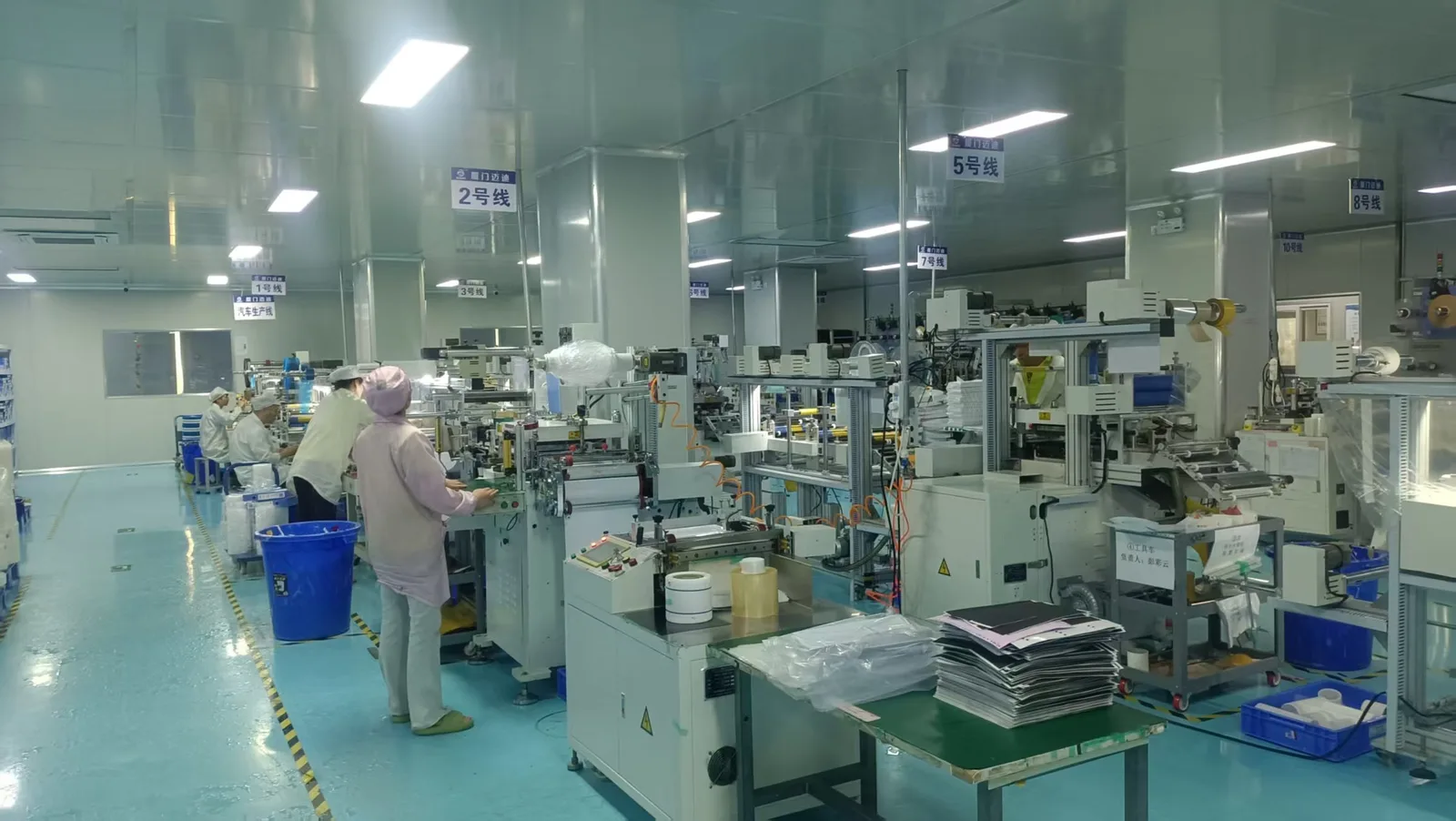
Grade-specific performance is supplied with the recommended material. Final assembly validation remains application-specific.
Thin electronic assemblies need reliable isolation around conductive housings, busbars, batteries and PCB edges. Material grade, temperature, voltage, forming and edge geometry all affect the selection.
Film parts create controlled separation between conductive surfaces.
PET and PI support compact assemblies where bulk insulation is not practical.
Adhesive and liner options simplify alignment and placement.
Insulation can be combined with foam, graphite or protective layers.
Send the information available now. Missing values can be identified during drawing review rather than guessed.
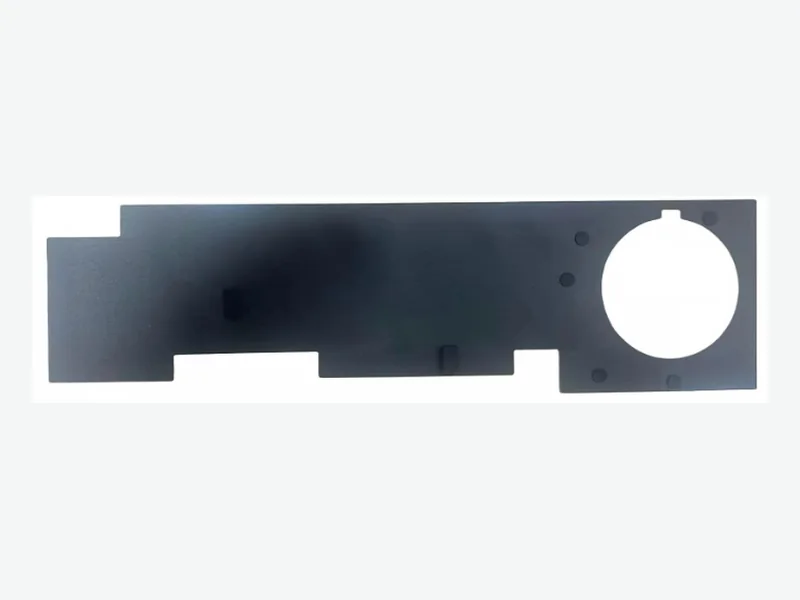
PET is widely used for cost-effective insulation and structural films. PI is considered where thinner sections or higher temperature capability are required. The grade and assembly conditions decide the choice.
Yes. Constructions may include scoring, folding, adhesive zones and release liners subject to geometry and material review.
Tell us the installation position, material challenge, environment and project stage. Our team will review the drawing and recommend a practical construction.