Material definition
Approved material grade, complete layer stack, adhesive, carrier and liner recorded against the customer drawing

Temporary or assembly-stage protective film parts for robot and UAV housings, camera covers, display surfaces and handling-sensitive components.
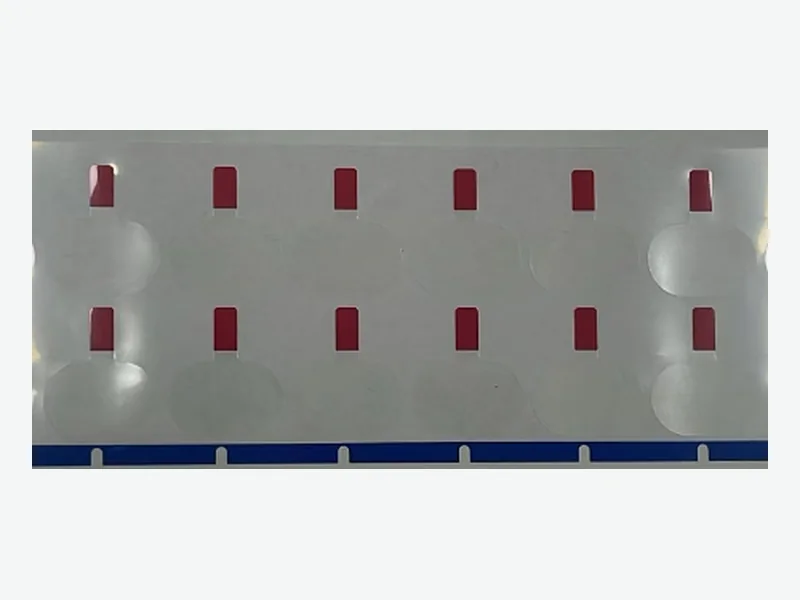
Reduces scratching, contamination or handling marks during converting, transport and assembly without adding a permanent functional layer.
We define the finished part around the selected material grade, test basis, drawing and assembly conditions. The items below can be included in the project review and data package.
How to read these values: Published ranges are representative design-screening windows across material families FLEXCEND can source, convert and evaluate. They are not one universal finished-part specification. Final values are confirmed against the exact grade, thickness, adhesive stack, test method, approved drawing, production lot and complete customer assembly.
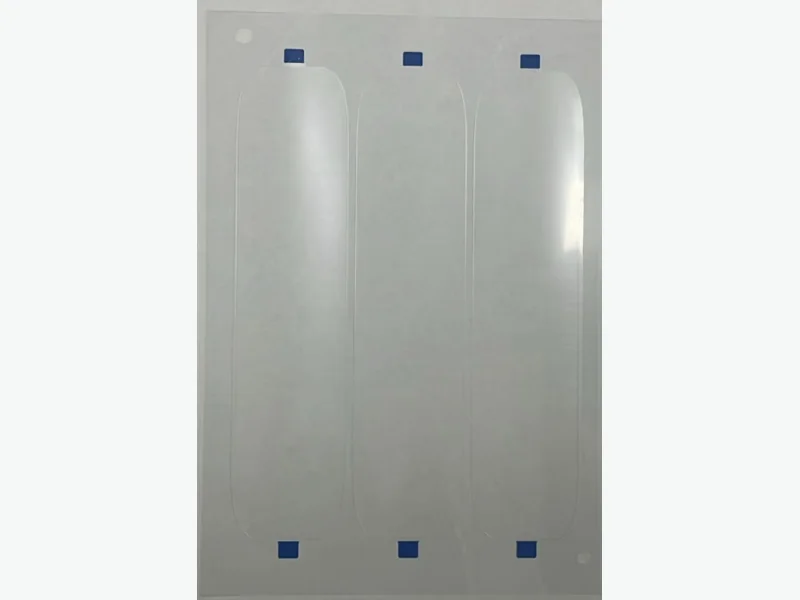
This image was extracted from the supplied product library and shows a representative part family. Exact material, grade, thickness and dimensions are defined by the approved drawing and material specification.
The exact content is agreed by program. Performance values stay linked to the selected material, thickness, method and test condition.
Approved material grade, complete layer stack, adhesive, carrier and liner recorded against the customer drawing
Supplier TDS or relevant test data tied to the selected grade, thickness, method and test condition
Critical dimensions and tolerances reviewed against material behavior, part geometry, tooling and process route
Fit samples, comparison sets and dimensional reporting can be agreed before production release
RoHS, REACH, halogen, flammability or other declarations supplied only when supported by the exact selected material
Drawing revision, material or production lot, inspection plan, liner format, kitting and packaging defined by program
We review how material, adhesive, liner, lamination, geometry and delivery format work together at assembly.
A drawing plus these operating conditions lets us recommend a practical construction instead of a generic material.
Adhesion and clean removal depend on the exact film grade, substrate, surface condition, temperature and dwell time. Compatibility must be verified on the real surface.
Protect camera and gimbal modules with custom foam pads and cushioning parts designed around compression, rebound, alignment and available assembly space.
ExploreCombine sealing, cushioning, venting and EMI control around LiDAR and sensor modules without treating every protection requirement as a single-material problem.
ExploreCustom vent, mesh, membrane, foam gasket and adhesive constructions for cameras, sensors, controllers and housings exposed to outdoor operation.
Explore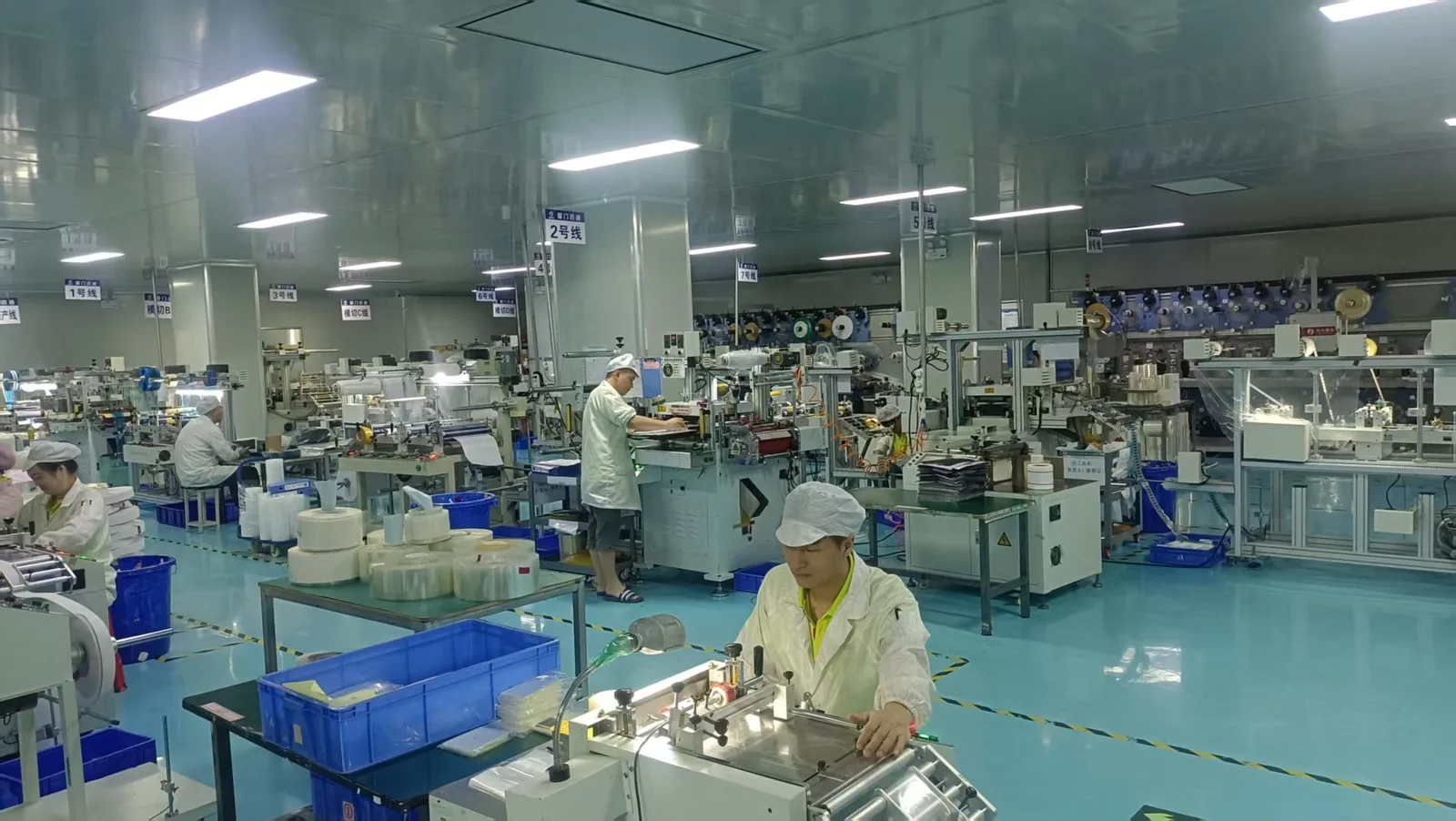
Prototype and production methods are selected around the material behavior, geometry, laminated stack and program volume.
See factory capabilitiesTell us the installation position, material challenge, environment and project stage. Our team will review the drawing and recommend a practical construction.