Precision converting for robotics & UAV programs
IATF 16949ISO 9001ISO 14001
Custom product

Die-Cut Conductive Fabric Tape

Custom conductive fabric adhesive parts for local shielding, seam coverage and grounding contact in UAV and robotic electronics.

Custom die-cutMulti-layer laminationPrototype supportDocumented inspection
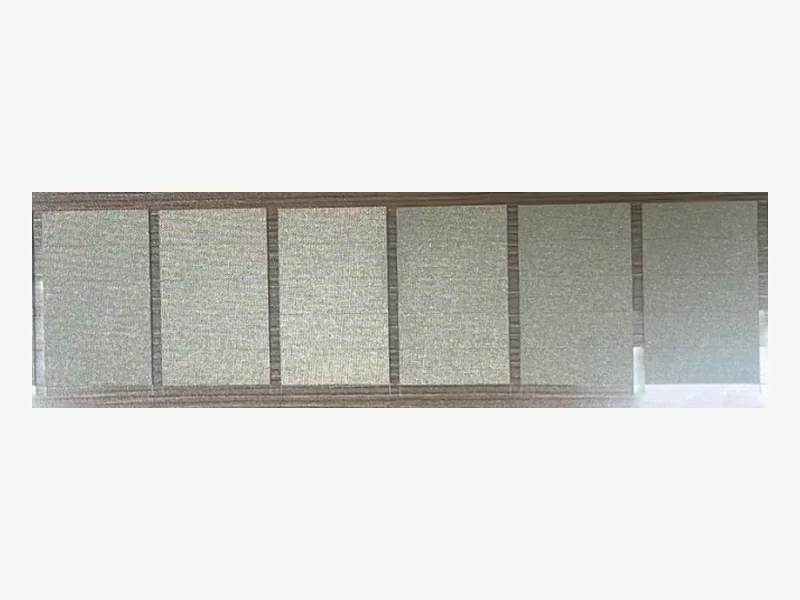
Conductive Fabric Tape sample
Representative converted component. Final construction is made to drawing.
Function

What this component solves

Creates a thin conductive path across joints, housings, cables or grounding points in limited space.

Typical install positions

  • PCB ground point
  • Enclosure seam
  • Cable interface
  • Radio module
  • Display or camera module
Engineering selection

Data your engineering team can specify

We define the finished part around the selected material grade, test basis, drawing and assembly conditions. The items below can be included in the project review and data package.

Typical screening rangeCustomizable by FLEXCENDGrade-specific data availableAssembly validation required
Data pointWhat FLEXCEND can define or provide
Total thicknessRepresentative conductive-fabric tape family: 0.030–0.150 mm; a common rip-stop construction is about 0.110 mm
Surface resistanceCommon selectable fabric families: approximately 0.1–0.3 Ω/□, grade and method dependent
Contact resistanceReference constructions can be as low as 0.005 Ω under their stated pressure and test method
Shielding effectivenessRepresentative material data: about 50–70 dB; frequency, fixture, seam and grounding path must be stated
Peel adhesionRepresentative family window: about 3.5–10.5 N/cm on stated stainless-steel tests; actual substrate testing required
GeometryCustom die-cut patches, strips, frames, split liners and grounding tabs
Surface / through resistanceResistance data supplied for the selected construction and stated test method
Shielding effectivenessFrequency range, test method and specimen construction identified with any material data
Peel adhesionAdhesive performance reviewed for substrate, surface energy, dwell time and temperature
Operating environmentTemperature, humidity aging and chemical exposure checked against the selected tape grade
Total construction thicknessFabric, conductive adhesive, carrier and liner stack defined for the available space
Compliance and flame dataRoHS, REACH, halogen or flammability documentation matched to the selected grade when available

How to read these values: Published ranges are representative design-screening windows across material families FLEXCEND can source, convert and evaluate. They are not one universal finished-part specification. Final values are confirmed against the exact grade, thickness, adhesive stack, test method, approved drawing, production lot and complete customer assembly.

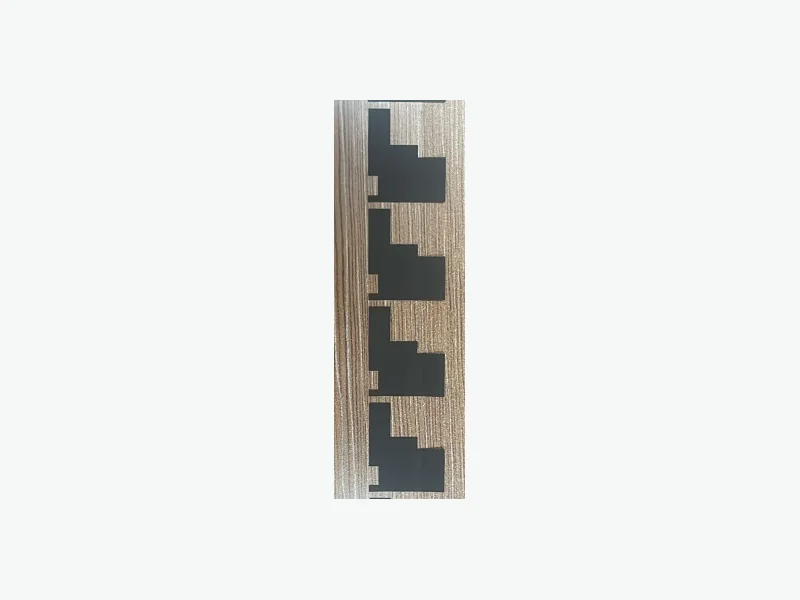
Conductive Fabric Tape material and die-cut geometry detail
Representative sample

See the material and converted geometry.

This image was extracted from the supplied product library and shows a representative part family. Exact material, grade, thickness and dimensions are defined by the approved drawing and material specification.

Engineering evidence

A project data package—not a generic material claim.

The exact content is agreed by program. Performance values stay linked to the selected material, thickness, method and test condition.

01

Material definition

Approved material grade, complete layer stack, adhesive, carrier and liner recorded against the customer drawing

02

Performance evidence

Supplier TDS or relevant test data tied to the selected grade, thickness, method and test condition

03

Dimensional control

Critical dimensions and tolerances reviewed against material behavior, part geometry, tooling and process route

04

Prototype / first article

Fit samples, comparison sets and dimensional reporting can be agreed before production release

05

Compliance documents

RoHS, REACH, halogen, flammability or other declarations supplied only when supported by the exact selected material

06

Traceability and delivery

Drawing revision, material or production lot, inspection plan, liner format, kitting and packaging defined by program

Made to drawing

Configure the complete part—not just the base material.

We review how material, adhesive, liner, lamination, geometry and delivery format work together at assembly.

  • Release-liner split
  • Pull tab
  • Kiss-cut sheet format
  • Complex cutouts
  • Lamination with foam or film
  • Roll or piece supply
Fast technical response

Send the inputs engineers use to make a real selection

A drawing plus these operating conditions lets us recommend a practical construction instead of a generic material.

  • Noise source and sensitive circuit
  • Required frequency range or grounding function
  • Substrate and grounding path
  • Bonding area and available thickness
  • Temperature, humidity and chemical exposure
  • Drawing, liner format and annual volume
Engineering boundary

System shielding depends on grounding, enclosure design, joint continuity, compression and frequency. Material data is not an assembly-level guarantee.

Application fit

Where this product is commonly considered

application

Drone EMI Shielding

Create controlled conductive contact and seam coverage around flight electronics, radios, cameras and power modules using custom tape and compressible gasket constructions.

Explore
application

Drone Flight Controller

Integrate heat spreading, gap filling and electrical insulation around dense flight-controller electronics using die-cut parts matched to PCB layout and enclosure interfaces.

Explore
application

AMR / AGV Controller

Custom thermal-interface, shielding and insulation components for compact mobile-robot controllers, power electronics and communication modules.

Explore
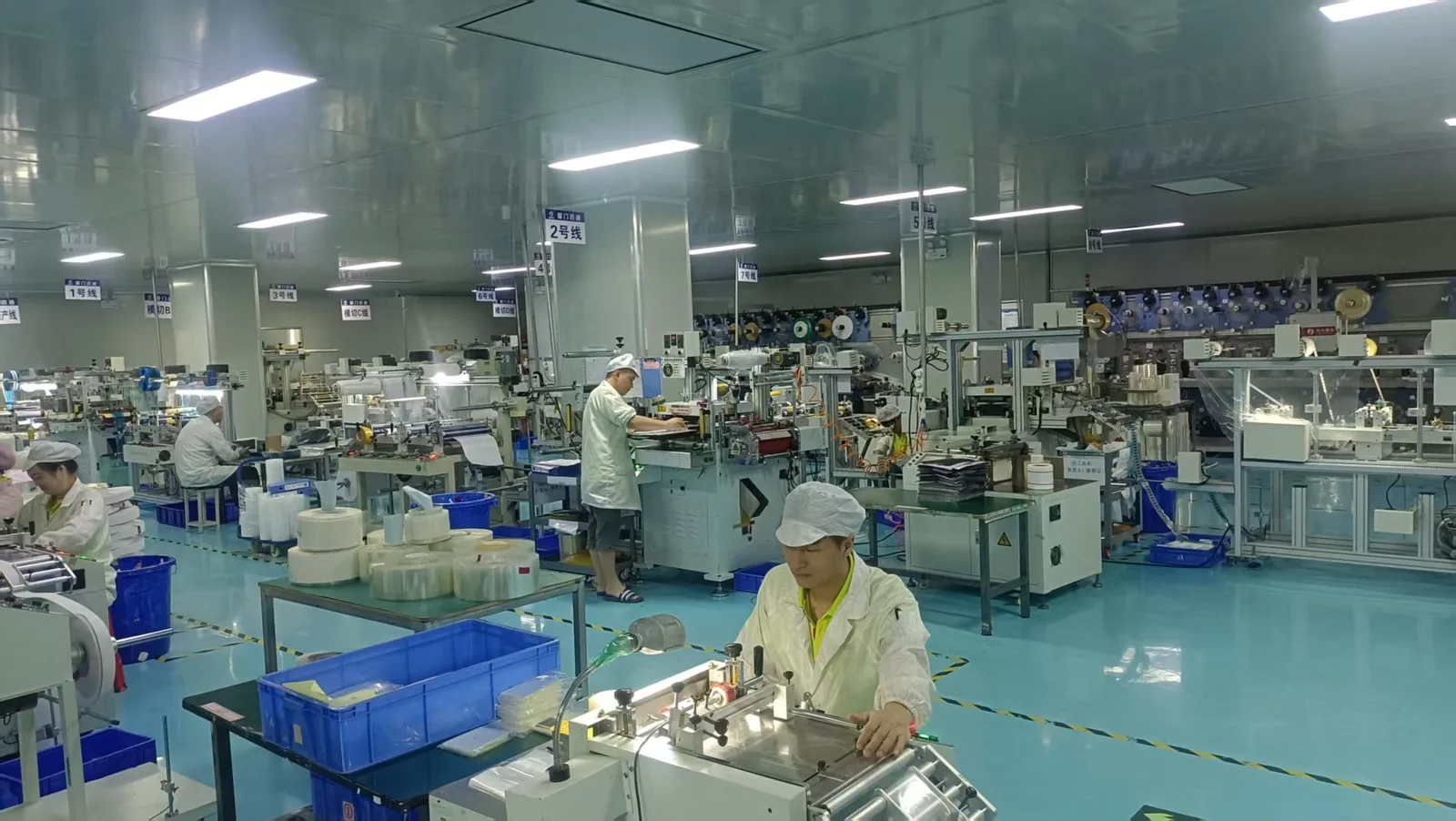
Production team working across multiple die-cutting lines
Manufacturing path

Slit, laminate, die-cut and inspect.

Prototype and production methods are selected around the material behavior, geometry, laminated stack and program volume.

See factory capabilities
Engineering review

Request a custom conductive fabric tape review

Tell us the installation position, material challenge, environment and project stage. Our team will review the drawing and recommend a practical construction.

Prefer a full brief? Open the detailed RFQ.